There are few wildlife experiences in Nairobi quite as memorable as watching a herd of young elephants charge out of the forest for their midday milk feed.
Inside Nairobi National Park, the Sheldrick Wildlife Trust (SWT) Nairobi Nursery provides a temporary home for orphaned elephants before they begin the long journey towards life in the wild. For visitors, the experience is much more than simply seeing baby elephants up close. It offers a glimpse into the rescue, rehabilitation and conservation work behind their return to the wild.
If you’re planning a Nairobi National Park visit, here’s what you can expect from a visit to the elephant orphanage.
What Is the Sheldrick Wildlife Trust?
The Sheldrick Wildlife Trust is a Kenyan conservation organisation best known for its work rescuing and rehabilitating orphaned elephants and rhinos.
Its Nairobi Nursery, located within Nairobi National Park, is the first stage in an orphan elephant’s journey back to the wild. Young elephants receive round-the-clock specialist care at the Nursery before eventually graduating to one of the Trust’s reintegration units in Tsavo East National Park or the Kibwezi Forest.
The Nursery itself grew out of Daphne Sheldrick’s early work caring for orphaned elephants. What began with individual rescues eventually developed into the dedicated Nairobi Nursery that visitors can experience today.
What Happens During a Sheldrick Elephant Orphanage Visit?
The public visit takes place every day from 11:00 AM to 12:00 noon, except 25 December, and is centred around the elephants’ midday milk feed and mud bath. Advance booking is required.
1. The elephants emerge from the forest
One of the first things you’ll notice is that the elephants don’t simply wait around for visitors.
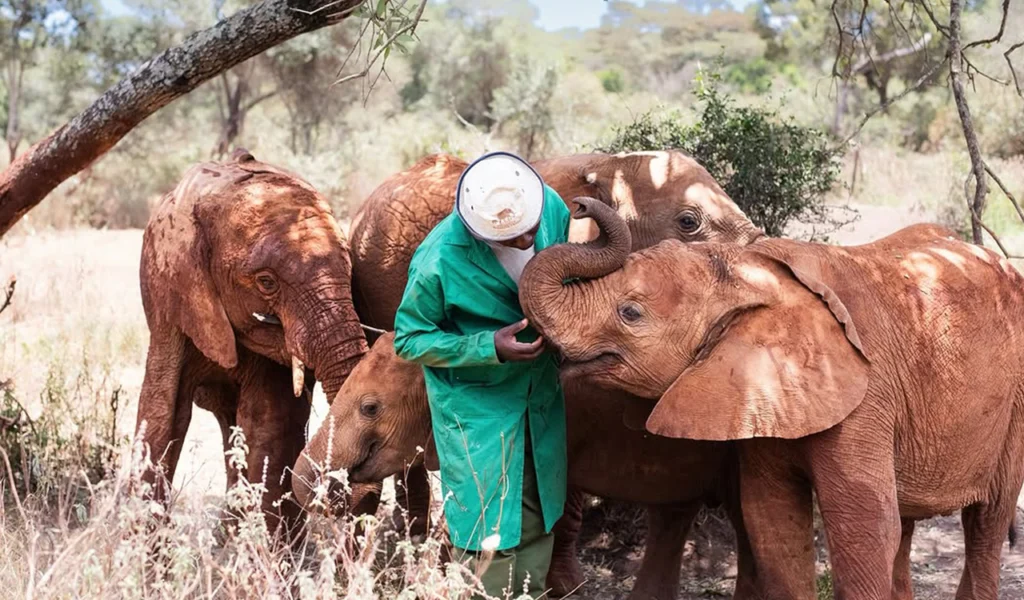
At feeding time, the orphaned elephants emerge from the forest in groups, heading towards the feeding area for their bottles of specialist milk formula.
For many visitors, this is the moment the experience really comes alive – tiny trunks, flapping ears and enthusiastic little elephants making their way towards the keepers.
2. The milk feeding begins
The elephants are bottle-fed by their Keepers, who provide the specialist nutrition they need during their time at the Nursery.
The feeding is carefully managed because the calves are at different stages of development and have different nutritional requirements. The Trust’s Keepers provide round-the-clock care, with milk feeds forming an important part of the Nursery routine.
Visitors watch from designated viewing areas rather than entering the elephants’ space.
3. Then comes the mud bath
After feeding, the atmosphere changes.
The elephants gather for playtime, wallowing in mud, covering themselves in dust and occasionally challenging one another to playful wrestling matches.
This is one of the most entertaining parts of the visit – but it also serves an important purpose. Mud and dust help elephants protect their skin from the sun and insects.
And because every elephant has its own personality, the experience can be unpredictable. Some dive straight into the mud while others appear far more interested in playing with their companions.
4. A Keeper introduces the elephants
The visit isn’t simply an observation session.
A senior Keeper leads the experience, introducing visitors to the Nursery herd and sharing information about individual elephants, their stories and personalities.
You’ll also learn about the wider conservation work of the Sheldrick Wildlife Trust and the challenges facing Kenya’s wildlife. There is time for visitors to ask questions at the end of the session.
This storytelling is an important part of the experience because it helps visitors understand why these elephants are at the Nursery in the first place – and where they are ultimately going.
Are You Allowed to Touch or Feed the Elephants?
No – and that’s an important part of the experience.
Although the elephants may sometimes extend a trunk towards the visitor area, direct interaction and feeding are reserved for the Keepers.
The reason is simple: the ultimate goal isn’t to make the elephants dependent on people. The Trust aims to eventually reintegrate them into the wild, so human exposure is carefully managed.
This makes the experience different from attractions where visitors are encouraged to touch, feed or pose with wildlife.
Here, you’re a guest in the elephants’ world, not part of it.
Can You See a Specific Adopted Elephant?
You may be able to see an elephant you’ve adopted, but it isn’t guaranteed that a particular orphan will be at the Nursery during your visit.
The Trust maintains information about where its orphans are currently living, and visitors will see the elephants that are attending the midday mud bath on their particular day.
As the young elephants grow, they eventually leave the Nairobi Nursery and move to reintegration units, where they continue their journey towards becoming wild elephants.
How Long Does the Visit Take?
The public visit lasts one hour, from 11:00 AM to 12:00 noon.
It’s important to arrive early because the session cannot be delayed or extended for late arrivals. The Trust recommends arriving at or before 10:30 AM to allow time to get through the KWS gate.
If you’re visiting Nairobi National Park as part of a larger day out, the elephant orphanage can therefore fit neatly into a wider Nairobi wildlife itinerary.
How Do You Book the Sheldrick Wildlife Trust Visit?
The Nairobi Nursery visit is strictly by advance booking.
The Trust currently accepts bookings for visits taking place within the next three months, and same-day bookings are not accepted. Visitors receive an official confirmation by email, which should be brought along either digitally or in printed form.
One important detail for travellers: the Trust states that only booking confirmations issued by Sheldrick Wildlife Trust are valid for entry. If you’re arranging your visit through a tour operator or local guide, make sure you receive the official SWT booking confirmation.
How Much Does the Elephant Orphanage Visit Cost?
The SWT Nursery entry donation currently starts at:
| Visitor | Minimum SWT entry donation |
| Adult, 12+ | US$20 |
| Kenya resident adult | KSh 2,000 |
| Child under 12 | US$5 |
| Kenya resident child | KSh 500 |
The donation is paid directly at the Nursery on the day of the visit.
There is also an important additional cost: Nairobi National Park entry fees charged by Kenya Wildlife Service (KWS) are separate from the SWT Nursery donation. KWS requires Nursery visitors to pay the applicable park entry fee to pass through the gate.
Because KWS fees can change, travellers should check the current KWS rates before their visit.
Where Is the Sheldrick Wildlife Trust Elephant Orphanage?
The Nairobi Nursery is located inside Nairobi National Park, with access through the KWS Mbagathi Gate, also known as the KWS Workshop Gate, on Magadi Road.
This location is part of what makes the experience so unusual.
You don’t have to travel several hours from Nairobi to encounter a conservation project working with elephants. The Nursery sits within one of the world’s most distinctive urban wildlife landscapes.
And once you’ve finished the elephant visit, you can continue exploring Nairobi National Park itself.
What Should You Bring?
Because the visit takes place outdoors, comfortable clothing and appropriate footwear are recommended.
Consider bringing:
- Comfortable walking shoes
- A hat
- Sunscreen
- Drinking water
- Your booking confirmation
- A camera or phone for personal photographs
The Trust advises visitors to be prepared for muddy conditions during the rainy seasons. There are also no refreshments provided at the Nursery, so bring water with you.
Photography and video are permitted for personal use only; commercial use of content filmed at the Nursery is prohibited.
Can You Combine the Elephant Orphanage With a Nairobi National Park Safari?
Absolutely – and this is one of the best ways to experience the area.
The Sheldrick Wildlife Trust visit occupies just one hour, while Nairobi National Park offers an entirely different wildlife experience.
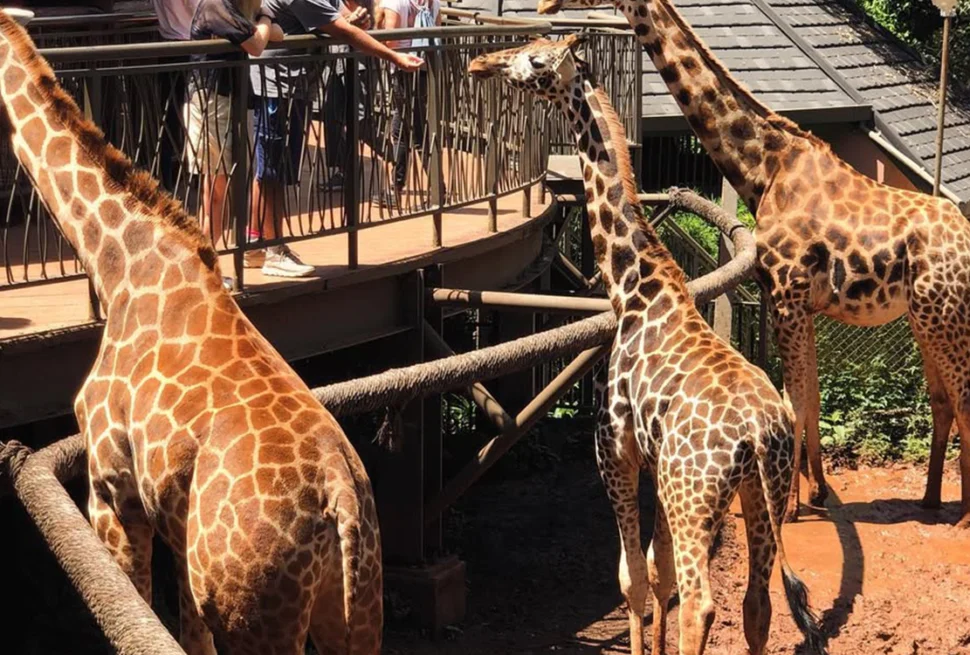
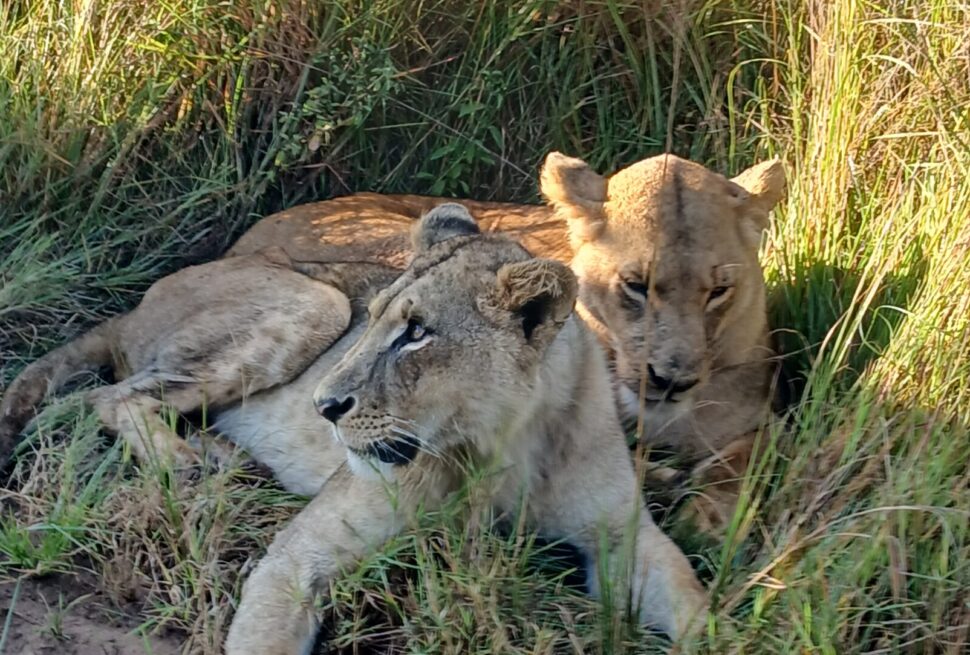
After visiting the Nursery, you can explore the park and potentially encounter rhinos, lions, giraffes, buffaloes, zebras, leopards and numerous bird species.
That combination gives you two perspectives on conservation in one day:
The Nursery:
Rescue → rehabilitation → preparation for the wild
Nairobi National Park:
Wildlife → habitat → ecosystems → conservation in the wild
For travellers with limited time in Nairobi, it’s an especially compelling combination.
More Than a Visit to See Baby Elephants
It’s easy to focus on the adorable side of the experience – and there is certainly plenty of that.
But the deeper story is about what happens after the cameras stop clicking.
The elephants at the Nairobi Nursery are being prepared for a future beyond human care. At around three years of age, many graduate from the Nursery to one of the Trust’s reintegration units, where they continue developing the skills and social connections needed for life in the wild.
That makes the mud bath more than a tourist attraction.
It is one small chapter in a much longer journey.
Planning a Visit to Nairobi National Park?
A visit to the Sheldrick Wildlife Trust Nairobi Nursery is an excellent addition to a Nairobi National Park experience, particularly for first-time visitors to Nairobi.
Community Guides Nairobi National Park can help you plan a wildlife experience that combines the elephant nursery with the wider park, giving you an opportunity to experience both the conservation work happening behind the scenes and the wild landscapes that make Nairobi National Park so remarkable.
Important: Visit the official Sheldrick Wildlife Trust website for the latest booking requirements, entry donations and visitor rules before travelling, as these can change.
Sheldrick Wildlife Trust – Official Nairobi Nursery Visiting Information